CUSTOMER PROFILE DESIGNS
I started working at Event Cadence at 23 with no experience in product design. Design systems, components, user flows, everything was new to me.
Cadence was a large scale events platform both on web and app with over 20 constantly evolving features. It was used primarily by medical companies to organize conferences and congresses. I would end up staying for six and a half years.
The Cadence product was never thought of as a whole and finding the underlying thread — why this and why now — was next to impossible. Many of the requests were based on the late night thoughts of our founder with a short and abstract brief. The result was a platform that was disjointed, unorganized, and difficult to navigate. My role was to advocate for order and clarity.
I developed my process in a constant state of push and pull with product, development, marketing, and leadership. I built my own briefs on loose information, asked an excessive amount of questions, and worked on rough approximations until conceptual clarity was achieved. I was then able to develop the designs, defining interaction states, edge cases, animations, building a prototype, and eventually sending off to dev with the accompanying dev notes.
SCHEDULE DESIGNS
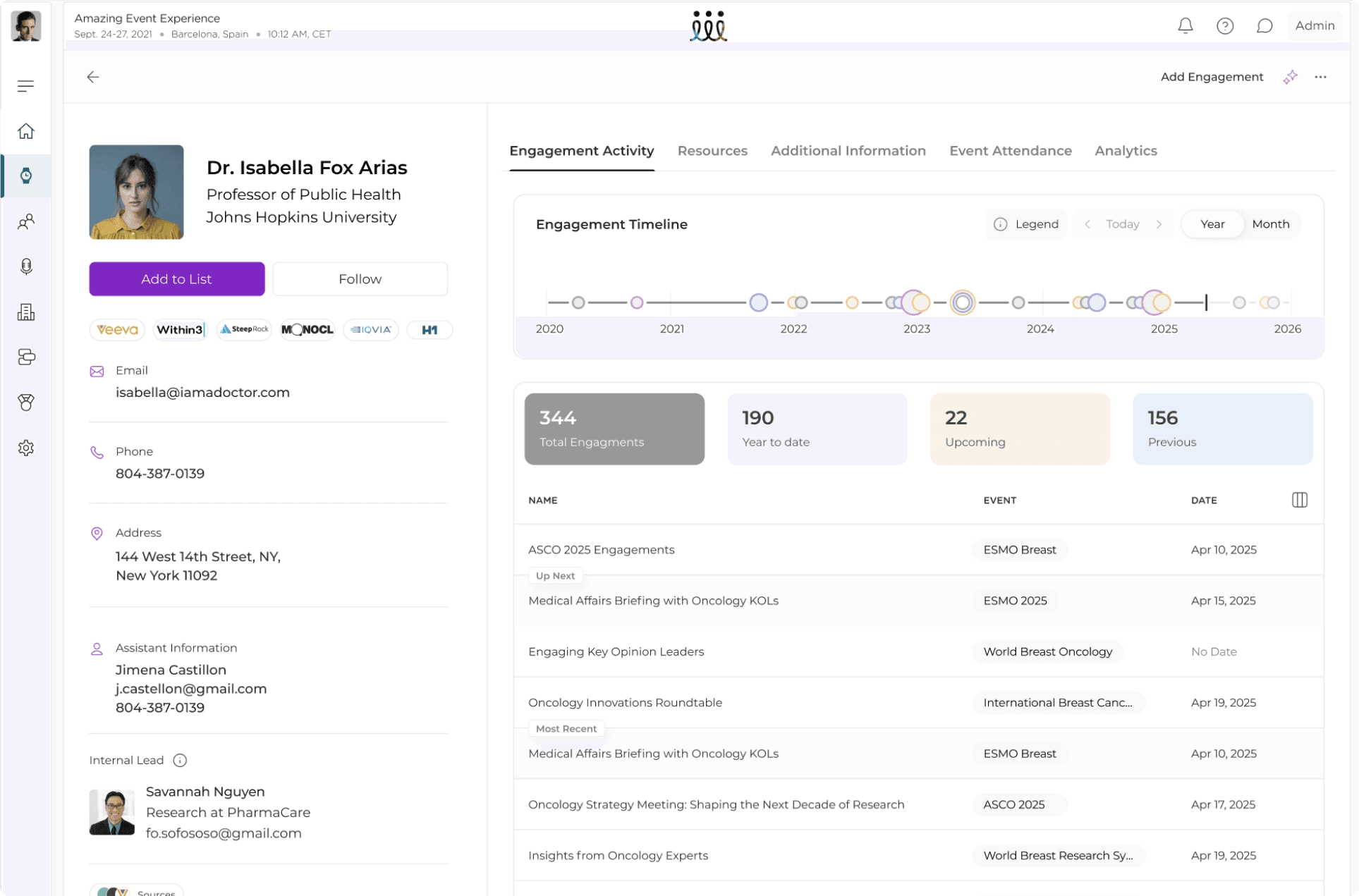
The original customer profile provided minimal information. Users had to hunt for everything within the database-like environment. The final updated design transformed the profile into a relationship and intelligence hub: customer identity, engagement timeline, attendance behavior, analytics, and external source integrations all in one profile.
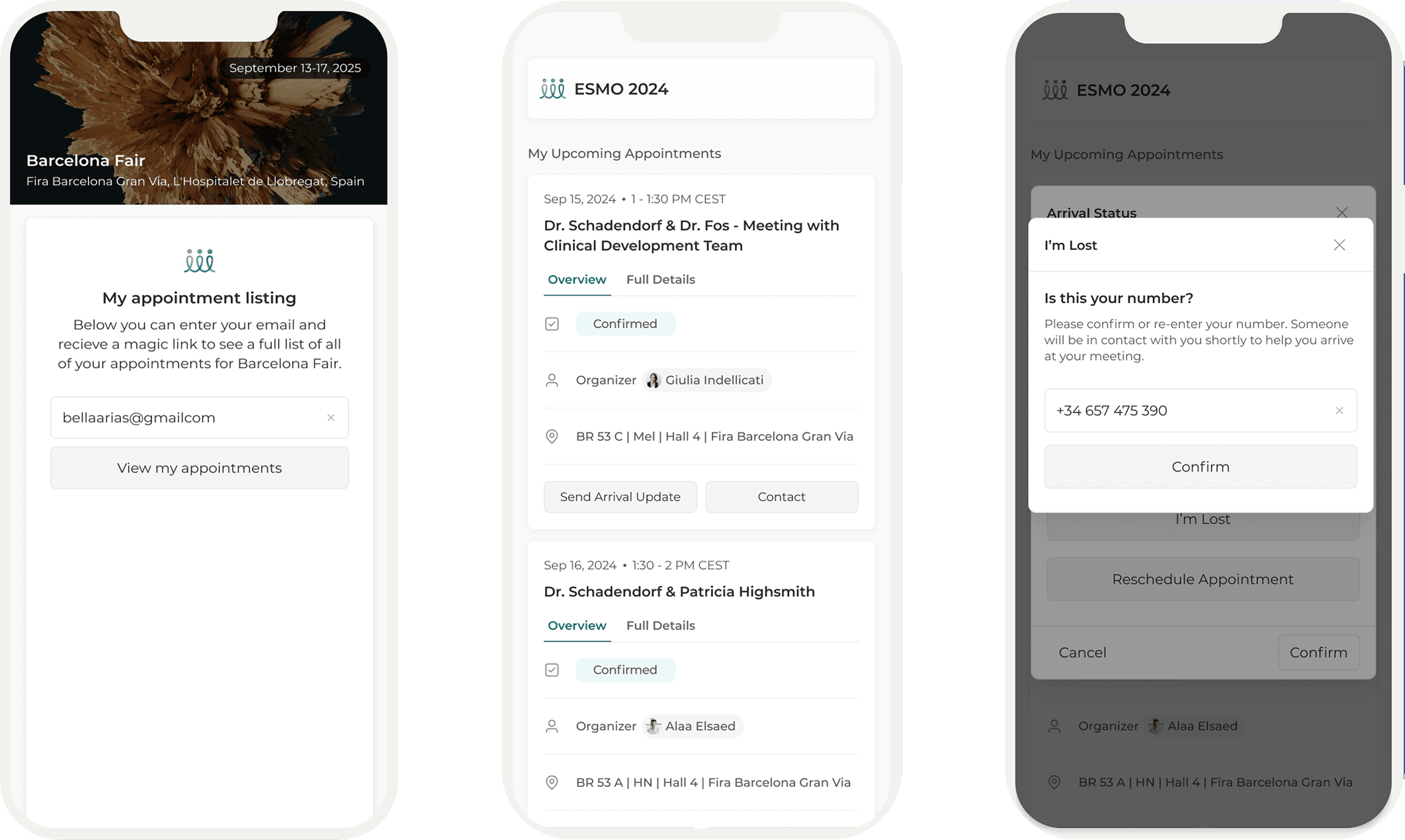
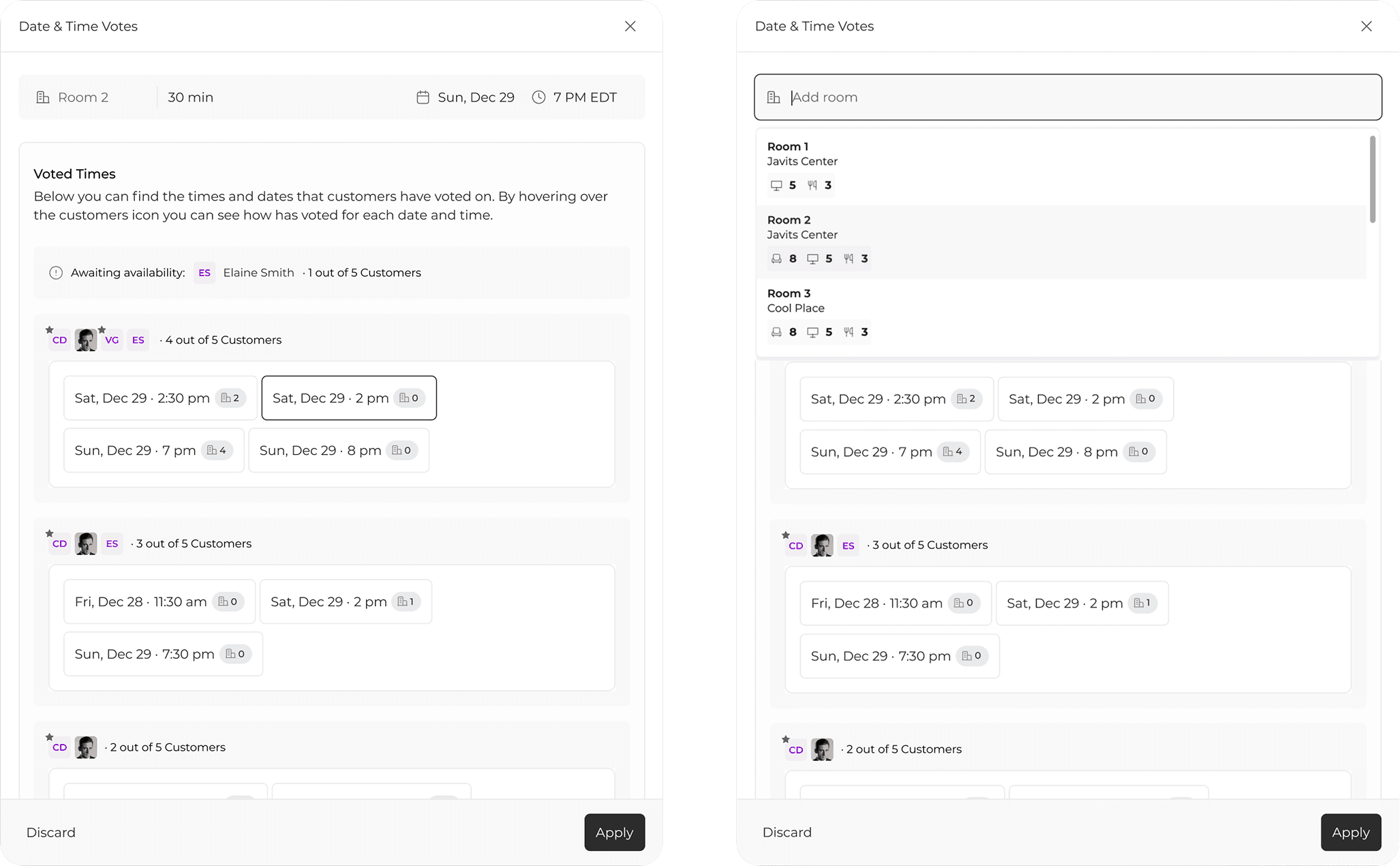
The customer portal was created to allow non-Cadence users to access a stripped-back version of the Cadence appointments system. Without downloading the full app, the customer could see all their appointments and pertinent information, and quickly get in touch with event organizers. The design challenge was to take the expansive and complicated appointments feature and distill it into its simplest form.
CUSTOMER PORTAL DESIGNS
When I joined Cadence, the system was scattered and outdated. The designs were reminiscent of the early days of UX/UI design. When I left, Cadence was left with a suite of beautifully designed features, a succinct design system, an updated brand, and a product that had care in the details. On a personal level, I figured out how to succeed in a disorganized, fast-paced environment and more importantly, how to maintain my personal standards in the face of progress for progress' sake.
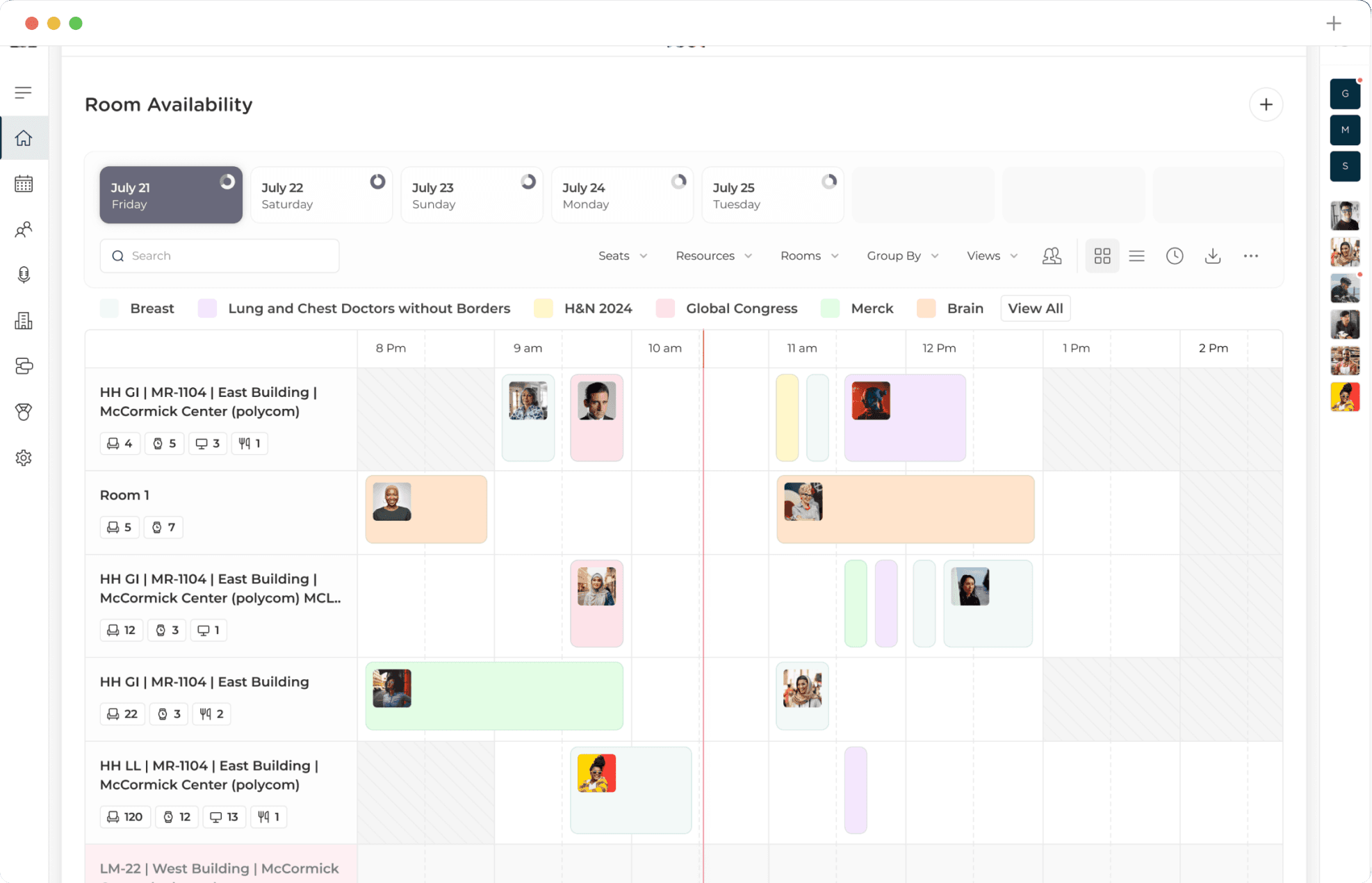
APPOINTMENTS DESIGNS